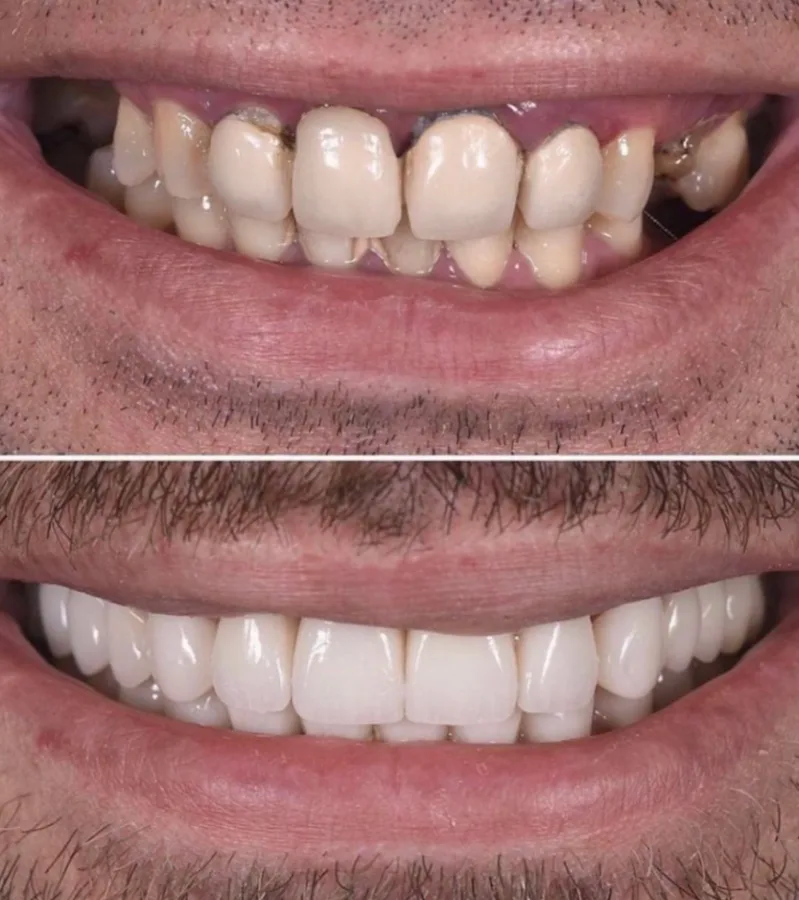
Dental Made Easy - Forest Hills is a dentist practice in Forest Hills, Queens at 116-20 Queens Blvd, Forest Hills, NY 11375. The listing highlights an implant-focused approach, and patients can reach the office at (718) 507-7781. Online, the practice holds a 4.8 average from 814 reviewers, with many comments pointing to consistent clinical results and a positive experience in the chair.
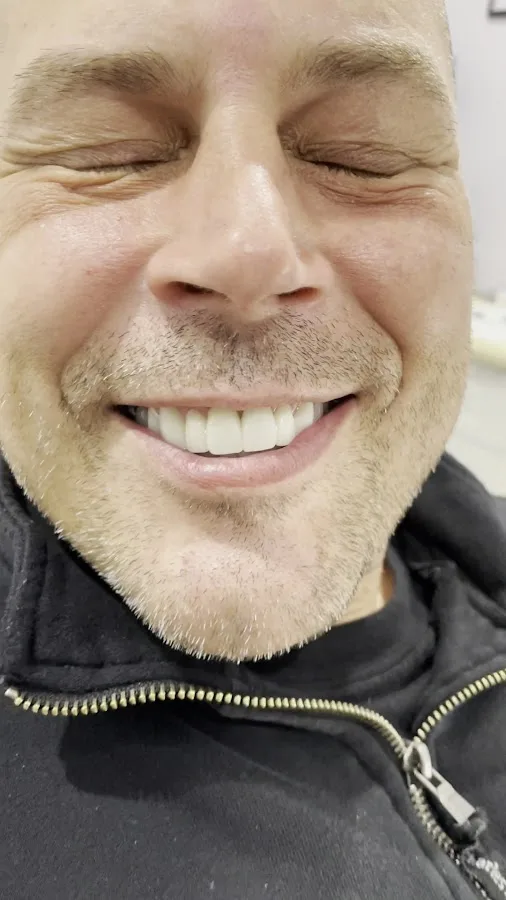
Step 1 on the day you arrive: bring the information that changes decisions
Implant treatment planning depends on baseline details, so the most useful first-visit items are the records that can confirm oral health status. Patients who already have X-rays, scans, or recent dental notes can bring those documents to speed up the review. For new concerns—such as missing teeth, bite changes, or gum-related symptoms—patients should also be ready to explain when the problem started and whether it is getting worse.
This first appointment is also where the team can connect the patient’s goals to the practical plan: what the next appointments should be, what needs to happen before implant placement, and which care path fits the patient’s schedule and comfort needs.
The rating story: what “4.8 from 814 reviewers” tends to reflect
A 4.8 rating from 814 reviewers is a strong signal that many patients had similar positive experiences. In dental care, the recurring factors patients notice most often are communication around next steps and the quality of work they can see after treatment. For patients comparing implant providers, ratings narrow options, but the final decision still depends on whether the clinical findings support the proposed plan.
For Dental Made Easy - Forest Hills, the local listing also describes the practice as independent and oriented toward dental implant care, which can be important for patients looking for a clinic that regularly manages implant-related cases.
Implant candidacy: what the consultation is confirm
During an implant-oriented consultation, the appointment typically centers on confirming whether the mouth can support implants safely and whether additional steps are needed first. That includes reviewing oral health history and examining the tissues that will receive treatment. Imaging review is another core part of the process, because it helps guide decisions about implant placement and the restorative plan that follows.
If implants are the priority, the consultation should clearly explain the pathway: what is done now, what is done after healing, and how the final restoration is planned. Patients should leave with a schedule they can follow and a short list of what to monitor between appointments.
Insurance and financing: plan the cost conversation early
Dental implant treatment often involves multiple stages, so understanding payment options matters from the beginning. The office listing includes financing options and describes the practice as supporting patients with most insurance accepted. Patients preparing for an implant discussion can reduce stress by writing down insurance details, preferred coverage questions, and whether they want to explore financing solutions.
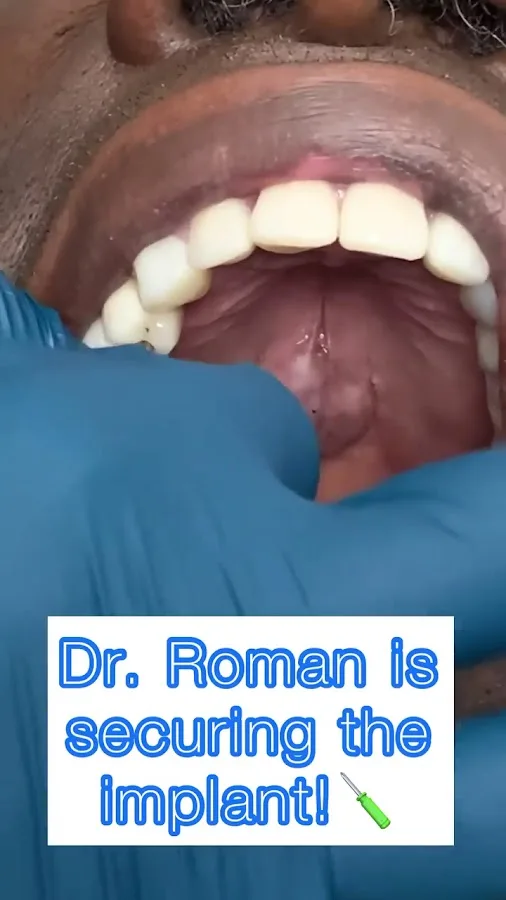
Practical preparation checklist for your first visit
To make the first appointment at Dental Made Easy - Forest Hills efficient, patients can bring:
- Any recent dental records or imaging
- A medication list and relevant medical history
- A short description of the main goal (implants for missing teeth, bite concerns, or restoration after prior work)
- Insurance information and questions about coverage
- Contact availability for follow-up visits at the location on Queens Blvd
As a reference point for planning, the public listing confirms the address at 116-20 Queens Blvd and the phone number (718) 507-7781, so patients can confirm the right next appointment for implant planning.
What recovery guidance should sound like
Recovery guidance after dental procedures is usually specific to the exact treatment stage. For implant-related care, the priorities are protecting the treatment site, following hygiene instructions, and knowing when to return for re-checks. Patients should have clear instructions for what to do if discomfort changes or if swelling does not follow the expected pattern.
For additional educational context on dental implant care, the American Dental Association provides patient resources on oral health and treatment planning. Patients can review those general materials, then apply the recommendations to their individual plan as advised by the treating dentist.