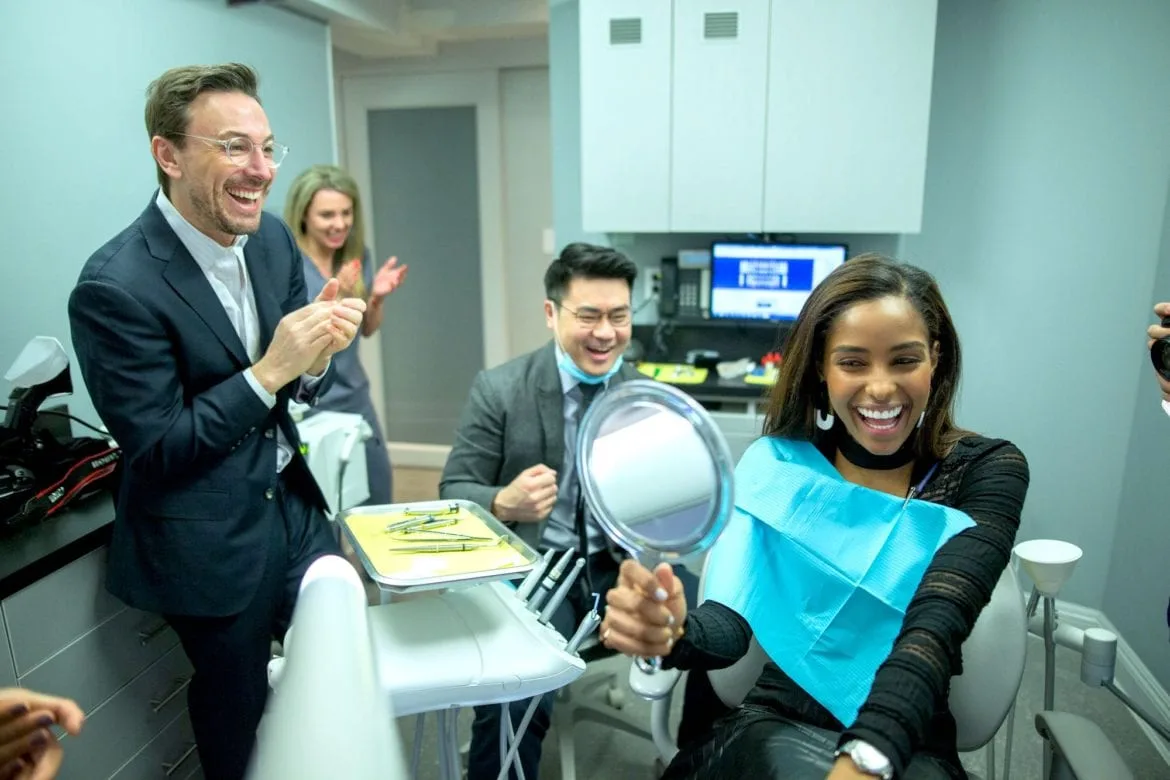
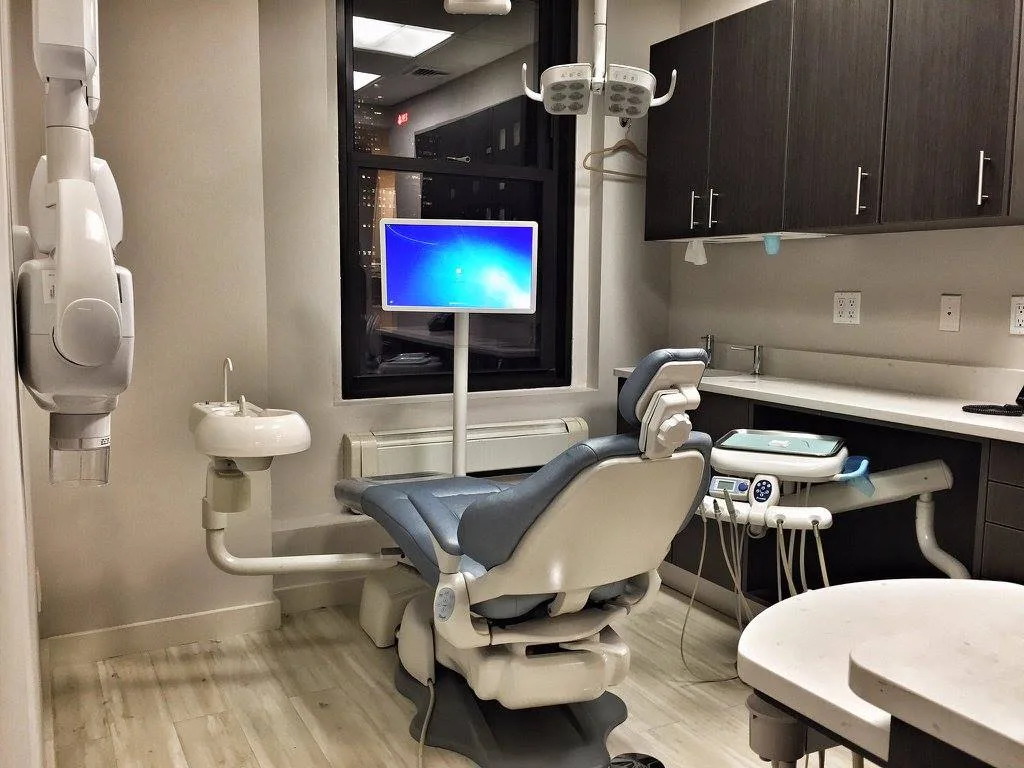
Where Making You Smile Cosmetic Dentist Studio NYC is located
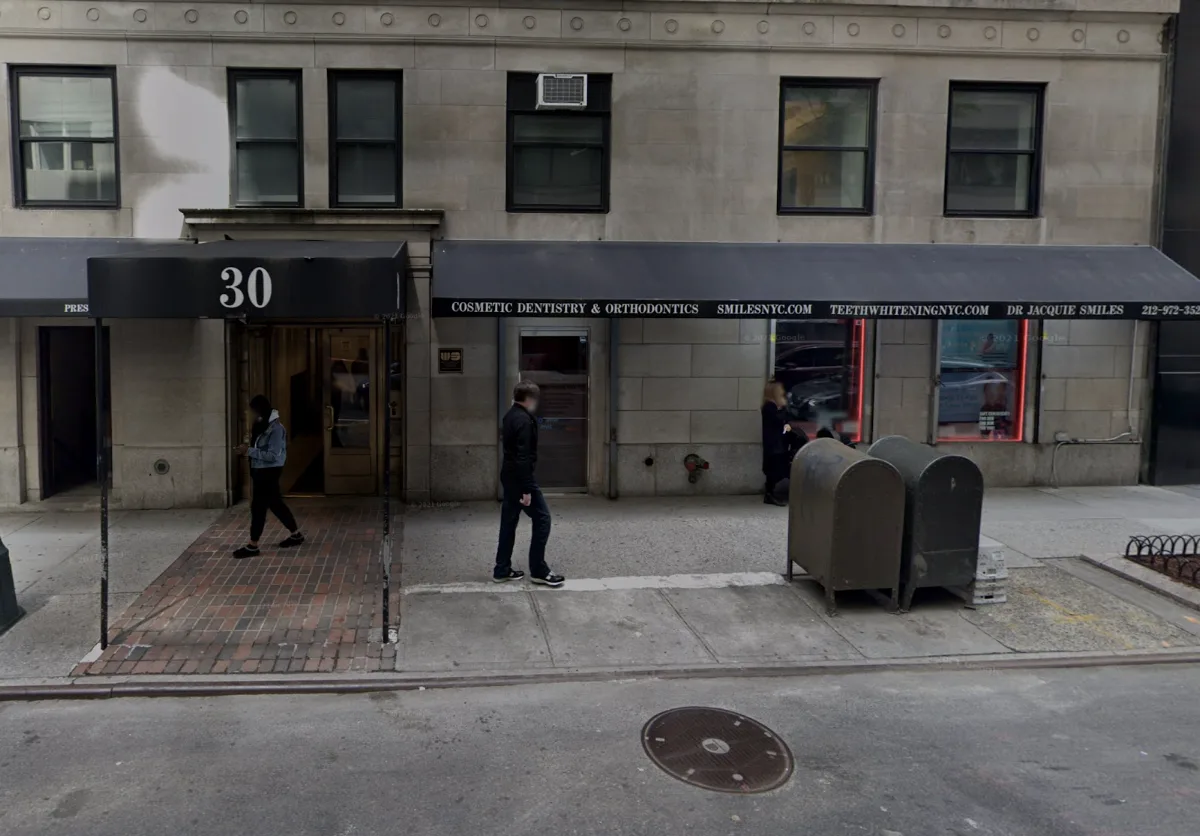
Making You Smile Cosmetic Dentist Studio NYC: Dr. Ziad Jalbout DDS is located at 36 E 36th St #1D, New York, NY 10016. The practice is in a convenient Midtown area for patients who want a central meeting point for consultations, records review, and treatment planning.
Scheduling a first visit: what to ask before you arrive
Most patients schedule a first appointment to confirm availability and to understand the practical steps before treatment begins. When calling or booking, it helps to request clarity on timelines for a consultation, whether new-patient paperwork is completed online, and how the practice coordinates next steps after an initial exam.
It is also reasonable to ask what records are typically collected (for example, photos or imaging) and how treatment options are reviewed. Because cosmetic dentistry often involves planning around esthetics and bite considerations, patients usually benefit from a structured discussion rather than a single “one-size-fits-all” recommendation.
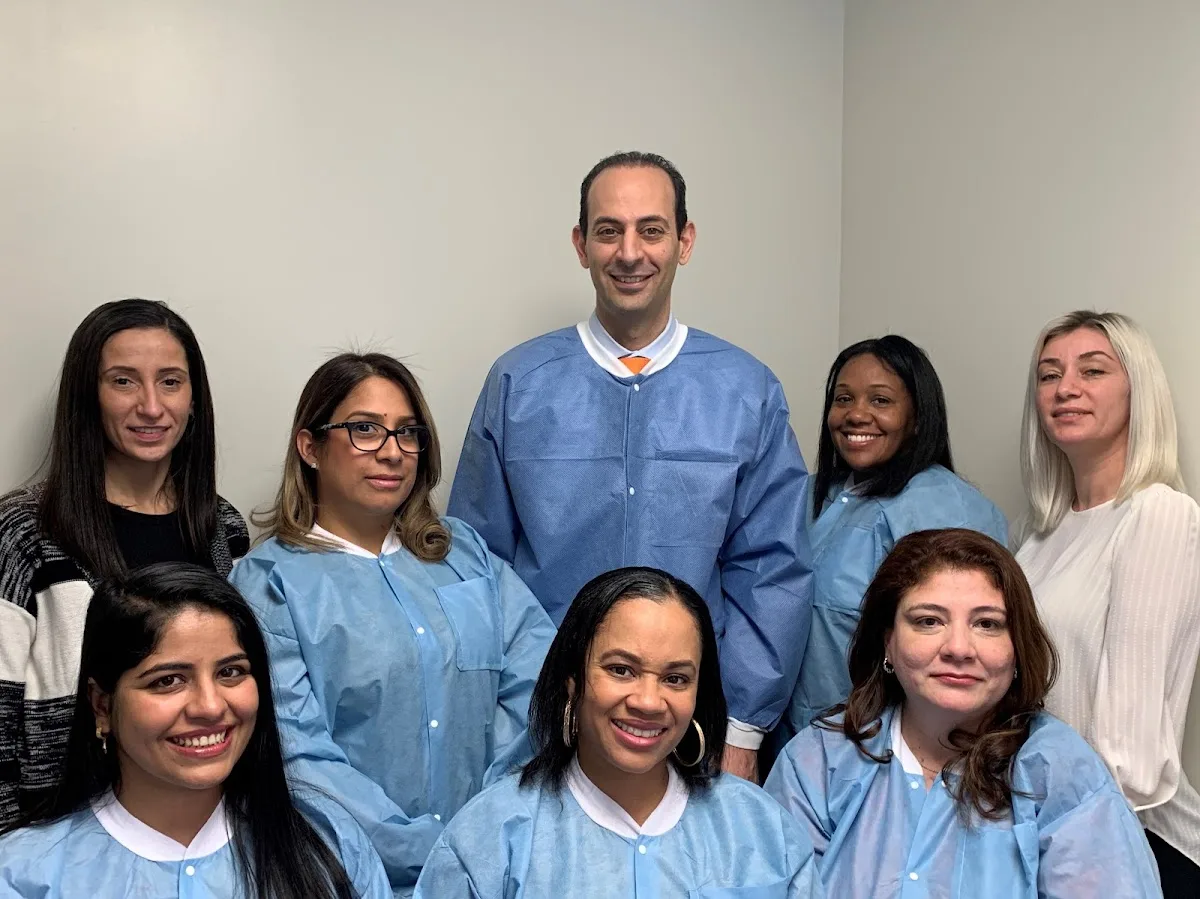
Cosmetic dentistry planning: how a consultation typically unfolds
Cosmetic dentistry visits often follow a practical workflow: a clinical exam, review of esthetic concerns (such as chips, uneven edges, gaps, or color), and a treatment plan that explains the tradeoffs. A strong plan usually includes both short-term outcomes (how the smile may look immediately after treatment) and long-term considerations (durability, maintenance, and bite stability).
Patients are commonly asked to share examples of what they want to improve—often through reference photos—while the clinician evaluates what is realistically achievable based on oral health and tooth structure. If whitening is part of the plan, it is commonly discussed alongside restorations so color matching can be coordinated.
Common treatment categories discussed at cosmetic practices
While each patient’s plan is unique, cosmetic dentistry frequently covers options such as:
- Veneers or other tooth surface enhancements for shape and esthetics
- Restorations for chips, cracks, and minor defects where function and appearance both matter
- Whitening when the goal is color improvement
- Smile makeover planning when multiple areas (shape, alignment, shade, or bite) must be coordinated
Because cosmetic care can combine multiple steps, the consultation typically sequencing—what should be addressed first, what may be changed later, and what the maintenance routine should look like after treatment.
Payment, insurance, and financing considerations
Making You Smile Cosmetic Dentist Studio NYC lists insurance acceptance and offers financing options. When patients are preparing for treatment, it can be helpful to ask about payment timing—what is due at the consultation, what is due for procedures, and how billing is handled for multi-visit plans.
Patients who prefer to spread the cost can also inquire about financing availability at the time of scheduling. The most helpful questions are usually straightforward: what plans are supported, whether pre-authorization is needed, and what documentation may be required.
What to bring and how to prepare for your appointment
For a smoother visit, patients can prepare by bringing:
- A list of current medications and relevant medical history
- Any prior dental records if available
- Photos or notes describing esthetic goals
- Insurance information (if applicable)
Because cosmetic dentistry often involves planning based on both appearance and oral health, preparation can reduce back-and-forth and help ensure the consultation the highest-impact next steps.
Aftercare: follow-up and maintenance expectations
After cosmetic treatment, follow-up is important for comfort, healing (when applicable), and checking how the smile functions in daily use. Patients are typically advised to return for scheduled check-ins and to follow a maintenance routine that supports both appearance and oral health.
For many cosmetic procedures, the long-term outcome depends on consistent hygiene, dietary habits, and—when restorations are involved—ongoing evaluation to address wear or edge integrity. Asking the clinic about expected check-up intervals can make maintenance planning clearer.
Quick contact reference
Address: 36 E 36th St #1D, New York, NY 10016
Phone: (646) 846-4645
Booking: The practice accepts appointment requests through its official online scheduling link and by phone.
If a patient’s schedule is tight, calling to confirm availability and asking what the first visit includes ensure the consultation is time-efficient.
Evidence-based context (why planning matters)
Cosmetic dentistry decisions are commonly guided by clinical esthetics and predictable functional outcomes. Patient education resources from major organizations emphasize that treatment planning should consider overall oral health, bite relationships, and realistic expectations when choosing esthetic procedures. For background reading, patients can review materials from the American Dental Association and the Journal of the American Dental Association on evidence-informed dentistry.