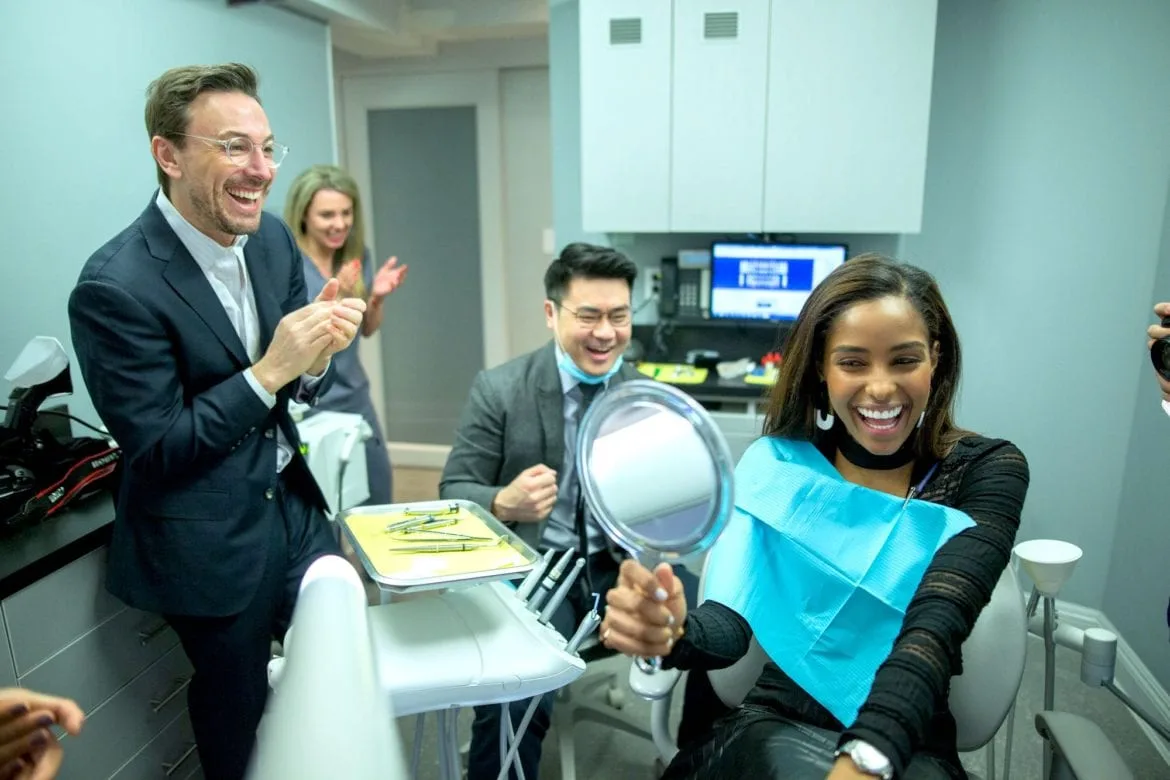
Where Midtown Cosmetic Dental Is Located (and what that means for your visit)
Midtown Cosmetic Dental is based in Midtown Manhattan at 425 Madison Ave, Room 1800, New York, NY 10017. Its central location makes it convenient for patients who want a consultation before work, during lunch, or after meetings nearby. The practice’s visitor experience is designed around a straightforward appointment flow, so new patients typically spend less time guessing what happens next and more time understanding their treatment options.
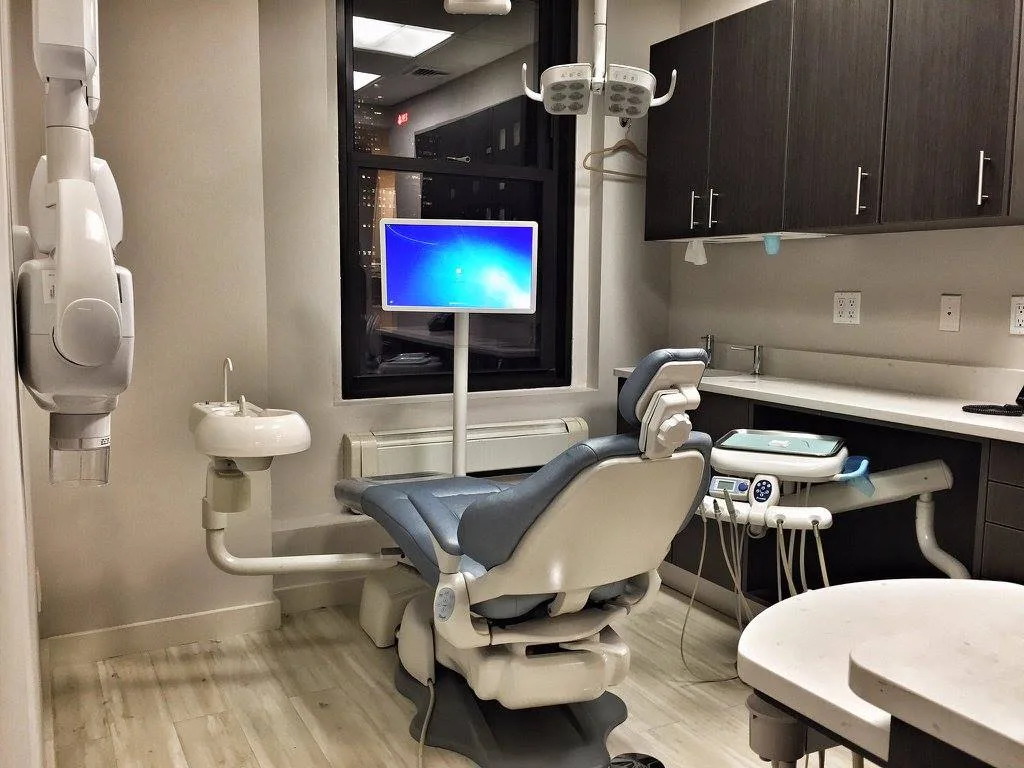
For planning, patients can start by confirming appointment availability through the practice’s online booking page, then arrive with any relevant medical or dental history notes (even a brief list is helpful).
What a First Appointment Usually Covers
For patients exploring cosmetic dentistry services—especially when considering dental implants or Invisalign—the first visit commonly establishing clinical context. That typically includes reviewing your dental and medical history, discussing your goals, and performing an examination to determine what the next steps should be.
Many practices in this specialty category also emphasize clear expectations around timelines. If imaging is needed (for example, to evaluate implant placement or the condition of existing teeth), your team will generally explain what the images are for and how they support treatment planning.
New patients can also ask about practical logistics: what to bring, how long the appointment may take, and how follow-up visits are scheduled if additional records are required.
Implants and Invisalign Consults: How Patients Are Typically Evaluated
Dental implants: candidacy and treatment planning
Dental implant candidacy is not one-size-fits-all. Evaluation often considers bone availability, oral health, and whether supportive tissues can heal predictably after placement. Patients are typically encouraged to ask questions about preparation steps—such as addressing gum health—so the plan reflects their actual starting point.
For accurate planning, imaging and measurements are used to estimate positioning and expected restoration options. If you are evaluating implants as a way to replace one missing tooth or multiple teeth, the consult usually clarifies what restoration path may be recommended.
Invisalign: assessing alignment goals
For Invisalign consultations, evaluation typically tooth alignment goals, bite considerations, and whether the movement plan can address the specific concerns a patient has. Patients can expect the team to explain how aligners work in stages and how progress is monitored through scheduled check-ins.
If you have a prior history of orthodontic treatment, it can influence what is feasible and how long the treatment may take. Bringing that history (dates, approximate outcomes, or any relevant records) the discussion stay efficient.
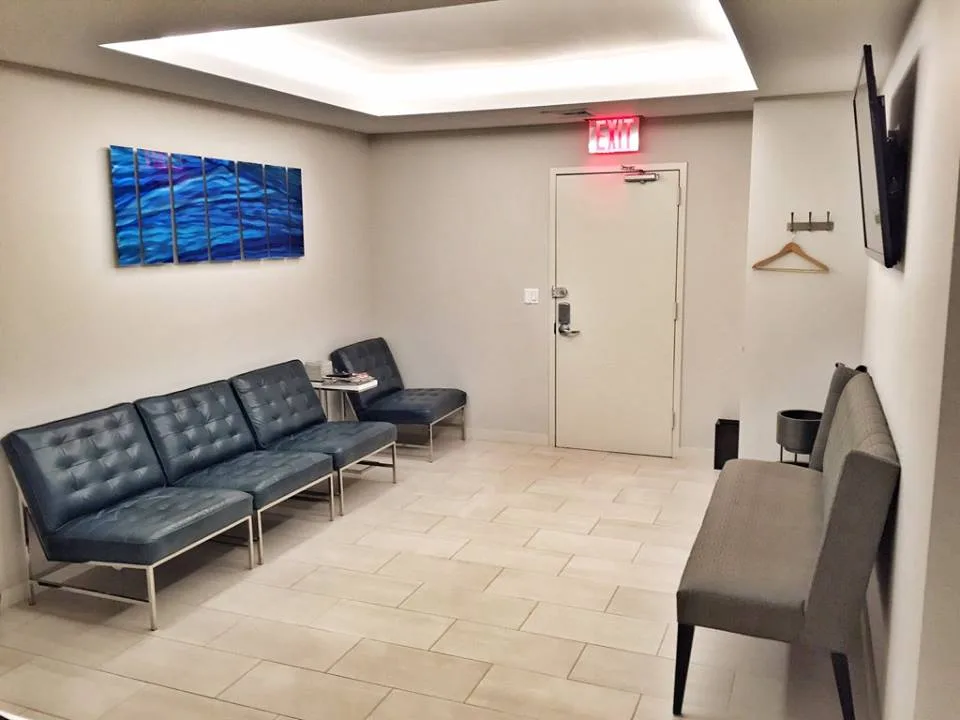
Cost Planning: What to Ask Before You Commit
Dental procedures vary widely in cost based on complexity, restoration materials, and the number of teeth involved. A visitor guide is most useful when it helps patients prepare for the financial conversation.
During the consult, patients can ask:
- What factors change the estimate (for example, number of implants, additional restorative work, or orthodontic complexity).
- Whether financing is available and which programs patients can apply for.
- What is included (records, imaging, follow-ups, and any planned maintenance appointments).
Midtown Cosmetic Dental lists financing options and accepts new patients, which can make it easier for individuals to plan without delaying care when treatment needs are time-sensitive.
For general background on implant safety and treatment decision-making, patients can also review patient-facing guidance from major organizations such as the American Dental Association (ADA) and educational articles provided by the Journal of the American Dental Association (JADA), which publish clinician-reviewed findings that support evidence-based planning.
Day-of Tips: How to Prepare for a Smooth Appointment
Small preparation steps can reduce stress and help visits run efficiently. Patients can consider:
- Bring documentation: insurance information (if applicable), a list of current medications, and prior dental records if available.
- Plan for time: while some visits focus on consultation and imaging, others may include additional assessments.
- Ask about next steps: at the end of the appointment, confirm what happens after the consult (records, treatment start, or follow-up timing).
If you are coming from out of town within the city, staying near Midtown transit options can make it easier to arrive on time and manage post-appointment scheduling.
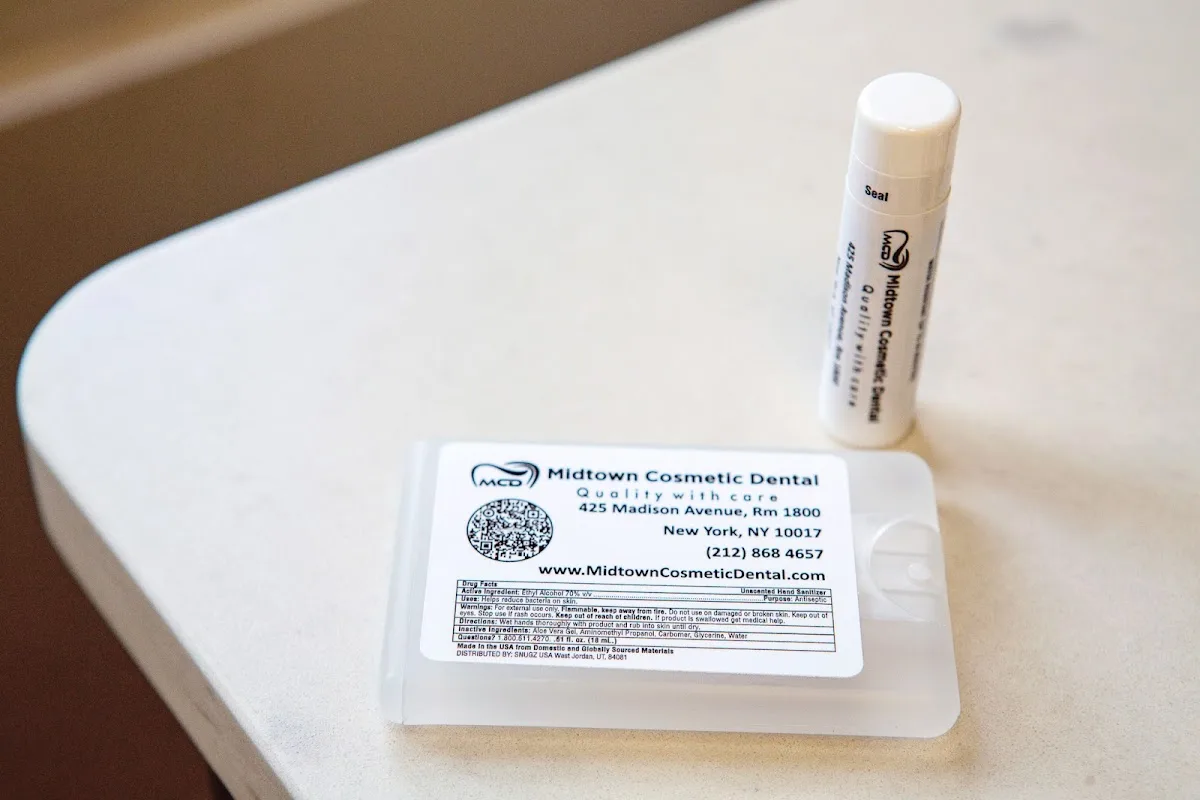
Recovery Expectations and Follow-Up (What Patients Should Plan For)
Recovery guidance depends on the type of treatment recommended. For implant-related care, patients should expect follow-up appointments that monitor healing and determine when subsequent restorative steps can begin. For orthodontic care such as Invisalign, follow-up typically includes progress checks and aligner management based on the treatment plan.
Ask the clinic to clarify what “normal” recovery looks like in your specific case, what symptoms require a prompt call, and how post-care instructions are communicated. This is also where it helps to confirm whether the team provides straightforward written instructions after procedures.
Finally, patients can use their first visit to confirm communication preferences—phone, messaging, or scheduled appointments—so questions can be handled quickly as treatment progresses.
Quick Contact and Scheduling Notes
Midtown Cosmetic Dental provides appointment access through an official online booking link and can also be reached by phone. When scheduling, it can be helpful to mention the main service of interest—such as dental implants or Invisalign—so the team can align the visit with the records and evaluation needed.
For patients who want to start with a practical consultation, this guide can be used as a checklist: location basics, what to bring, which questions to ask about treatment and cost, and how follow-up typically works.