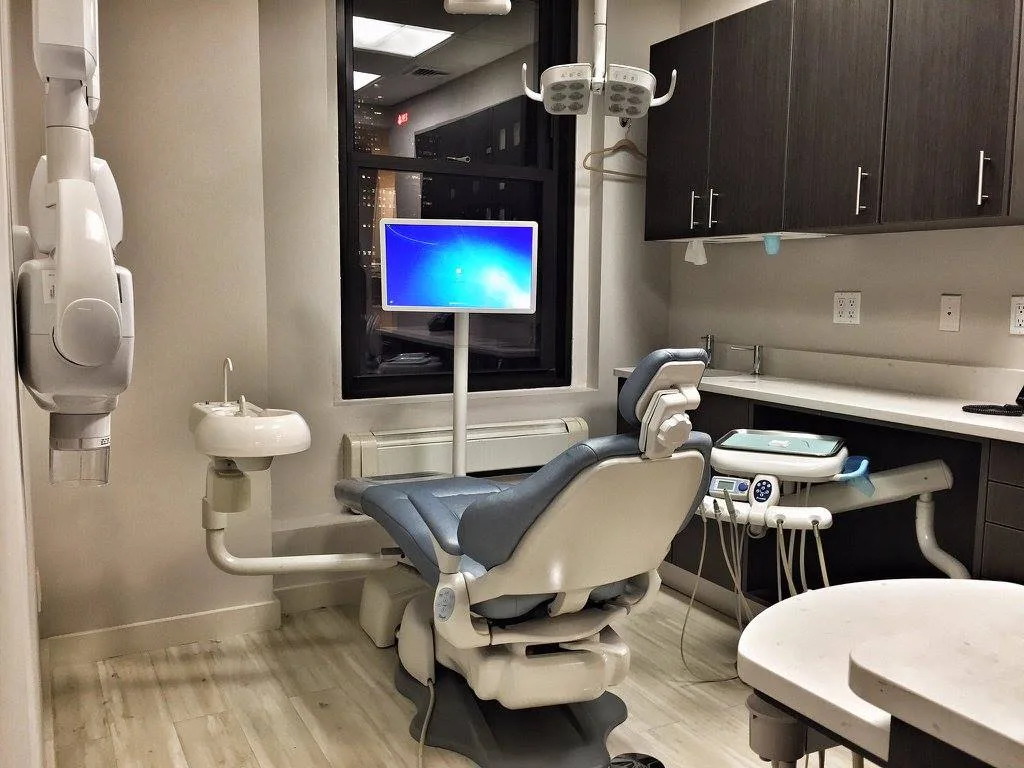
Where Smile Design Manhattan Is Located
Smile Design Manhattan is based in Midtown Manhattan in New York, NY, at 575 Madison Ave, 23rd Floor. The address is convenient for patients coming from across the boroughs, especially if they prefer straightforward public-transit access and a central appointment location.
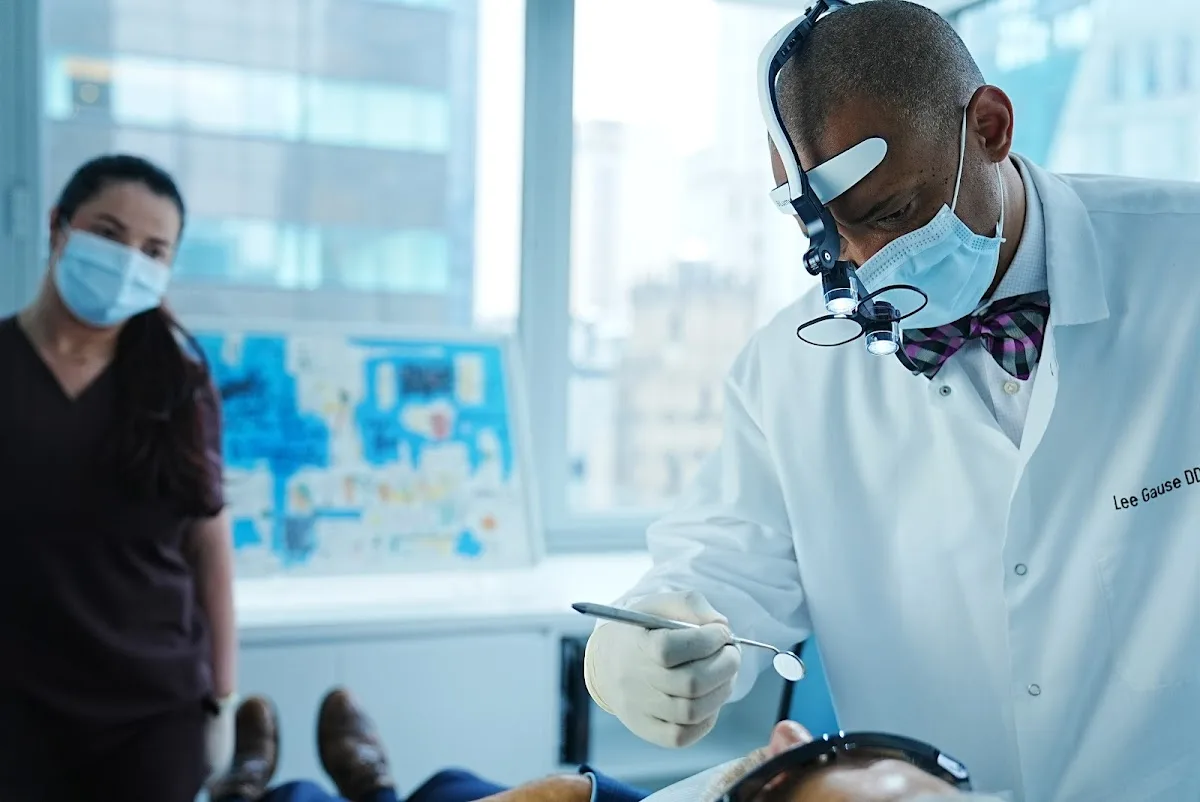
Before heading in, verify appointment time details with the office and allow extra time for building entry during peak hours.
First Visit Checklist: What to Bring
Most new patients find it helpful to arrive with a simple, organized set of materials. While the practice will confirm specifics during scheduling, having the following ready can streamline paperwork and accelerate the first discussion.
- Photo ID
- Insurance information (if applicable)
- A list of current medications
- Any prior dental imaging or records (if you have them)
- Questions you want answered in plain language, such as timelines, candidacy, and cost ranges
If you are exploring dental implants or other smile-reconstruction options, preparation often includes noting your goals (function, aesthetics, comfort) and any constraints, like scheduling needs or budget priorities.

How Consultations Typically Work
Dental visits that lead to implant planning usually follow a structured sequence: reviewing dental and medical history, assessing oral health, and discussing goals. For patients, the most valuable part of the consultation is the practical decision-making conversation—what can be done, what may need additional treatment, and the realistic timeline.
Common discussion points include:
- Candidacy: whether implants or related solutions are likely to be appropriate
- Treatment options: alternatives, including how different approaches compare
- Expected outcomes: what “success” means functionally and aesthetically
- Recovery planning: typical post-visit expectations and how to prepare
- Scheduling: how soon treatment can begin once decisions are made
To make the visit productive, bring your top questions in priority order. If affordability is part of your decision, ask early about financing options and any fee breakdowns.
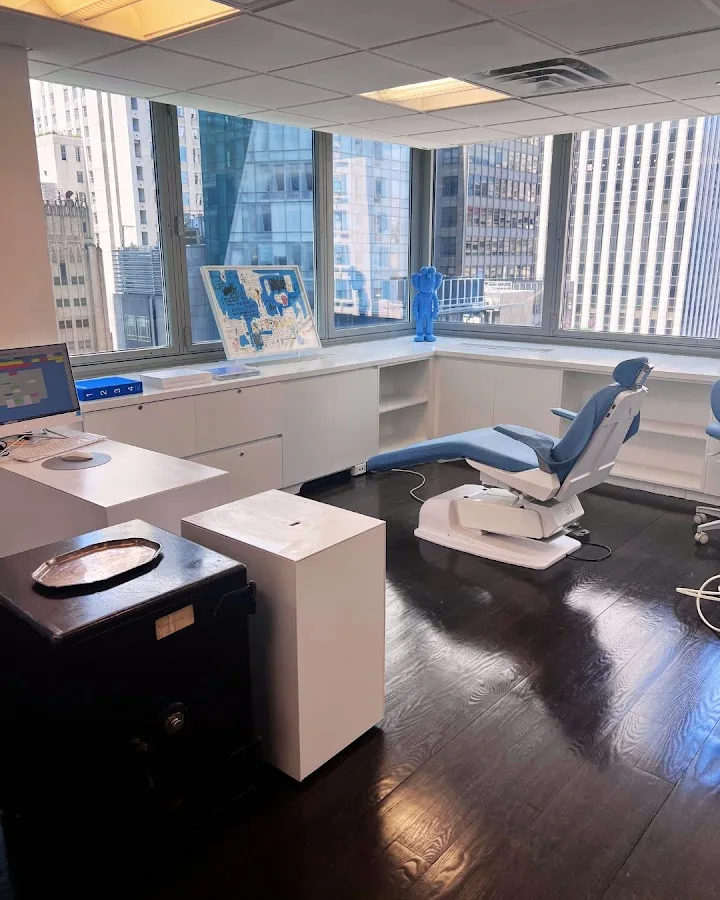
Dental Implants, Invisalign, and Smile Makeover Planning
Patients often visit Smile Design Manhattan when they want to improve both appearance and everyday function. Depending on the case, the practice may support planning for dental implants and also discuss related esthetic pathways, including aligner-based solutions such as Invisalign.
Even when a patient has a clear goal, the clinical sequence matters. Implant treatment planning generally considers bone health, gum condition, and overall oral status. For orthodontic or alignment goals, the timeline can depend on existing bite and spacing, and the plan typically includes staging so progress is trackable.
Because each patient’s needs differ, a strong visit includes specific answers: what will happen first, how long each phase usually takes, and what might change if additional treatment is recommended.

Cost Expectations and Financing Questions to Ask
Dental costs vary by case complexity, the number of teeth involved, and whether additional procedures are needed before implant placement or esthetic work. During the consultation, patients can benefit from asking for a practical cost range and a clear explanation of what it includes.
Questions that typically make budgeting easier:
- What costs are included in the plan?
- Are there separate charges for diagnostics, procedures, and follow-ups?
- What payment options are available for self-pay patients?
- Do accepted insurance plans cover any portion of recommended care?
- Is there financing through programs commonly used for dental treatment?
For clinical decisions, costs should be discussed alongside timeline and candidacy. The goal is to choose a plan that fits both medical needs and life logistics.
Clinical note: Readers can also review general patient education from the American Dental Association (ADA) and the Journal of the American Dental Association (JADA) on dental implants and treatment planning to understand what factors clinicians consider.
After the Appointment: What Recovery Preparation Looks Like
Not every visit results in an immediate procedure, but many consultations end with next steps that may include scheduling additional appointments. If the plan involves procedures, preparation reduce stress and improve recovery comfort.
- Follow post-visit instructions carefully, including medication guidance if prescribed
- Plan transportation if sedation is part of future visits
- Stock soft foods ahead of time when appropriate
- Track any symptoms and contact the office for guidance
Patients who keep a simple recovery checklist and confirm timelines with the practice often find the overall process more predictable.