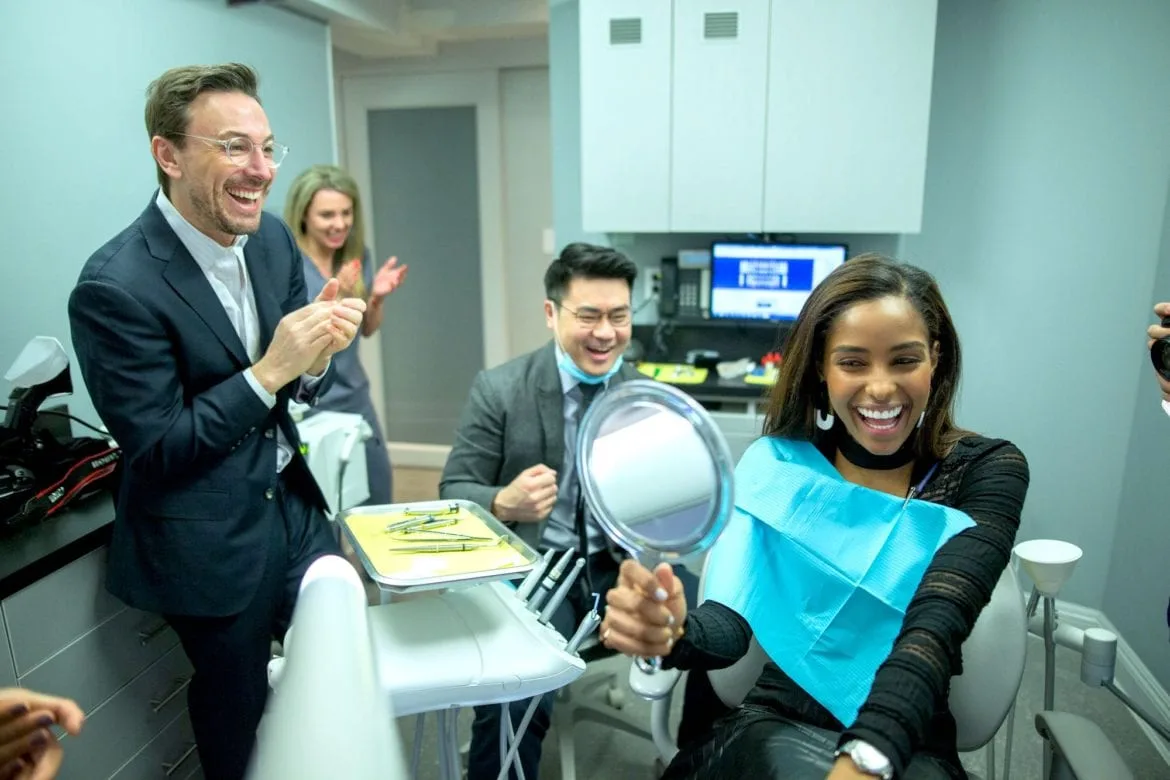
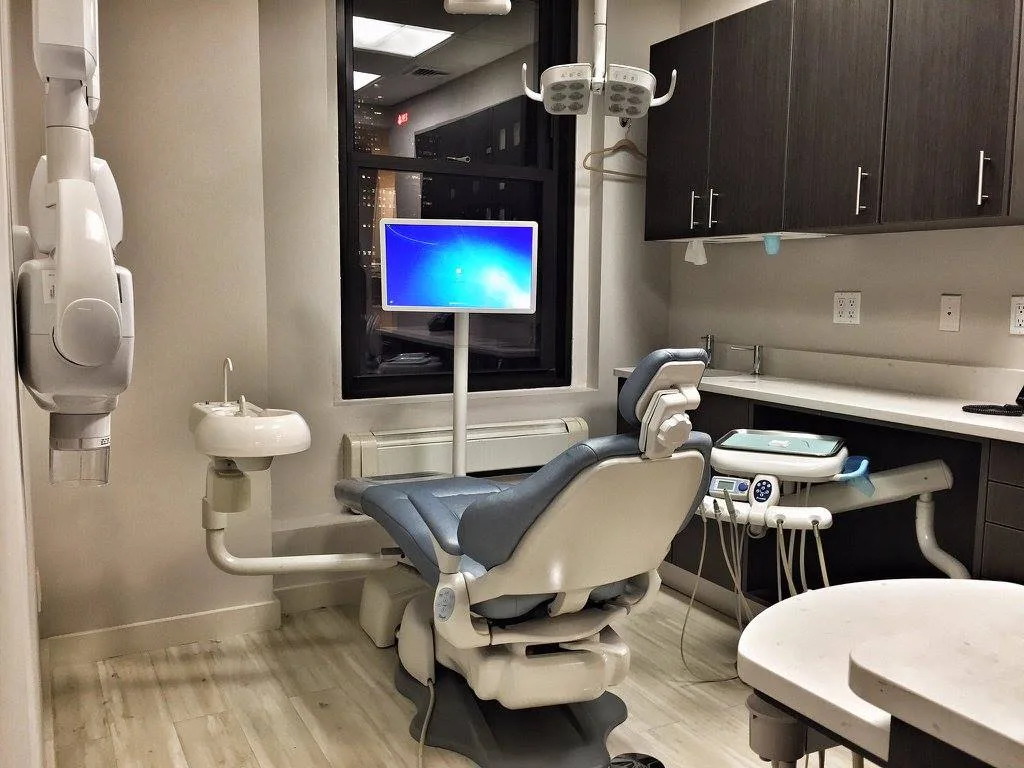
Where to Find the Practice and What to Plan Before You Arrive
The New York Center for Cosmetic Dentistry is located at 128 E 71st St Suite #2, New York, NY 10021. Before a first visit, patients typically bring a list of current medications and any dental history they have available (recent X-rays, prior treatment notes, or questions about smile goals). A helpful step is to write down what feels most urgent—such as crowded spacing, chipped edges, or misalignment—so the team can translate concerns into a realistic treatment plan.
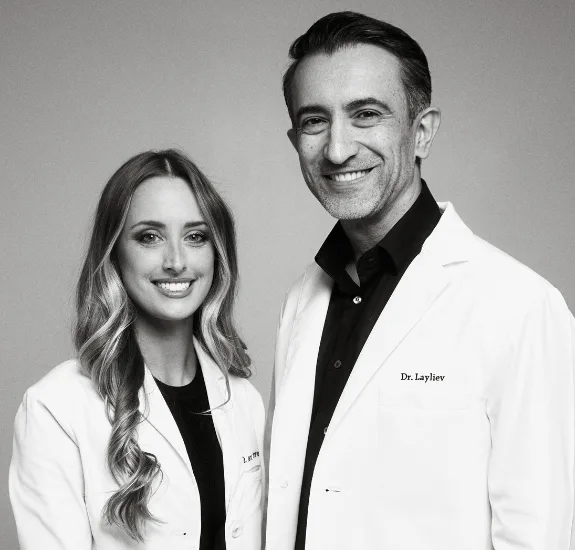
How the Appointment Usually Works: From Exam to Options
Cosmetic dentistry often starts with more than a quick visual check. In practice, clinicians evaluate tooth health, the bite relationship, and the gum line, because esthetics depend on both appearance and underlying structure. If alignment concerns are part of the problem, the assessment may consider whether orthodontics (including Invisalign-style options) can address spacing and bite issues before cosmetic restorations. For candidates who need restorations like veneers, the evaluation also considers whether enamel thickness and bonding conditions are appropriate for durable results.
During the visit, the team generally explains multiple pathways—such as direct bonded solutions, porcelain or composite veneers, and implant-supported options when teeth are missing or need replacement. Patients should expect candidacy discussion rather than a one-size-fits-all recommendation.
Common Cosmetic Goals and the Treatment Decisions Behind Them
Many patients come in with concerns that can involve both appearance and function. For example:
- Uneven spacing or tooth position: clinicians may explore orthodontic correction first, particularly when spacing would otherwise compromise how veneers or other restorations sit.
- Chips, minor shape irregularities, or surface imperfections: some cases can be addressed with bonding and carefully designed composite veneers.
- Missing teeth: implant-supported restorations can be considered based on bone and tissue conditions.
The key is sequencing. When alignment issues can be meaningfully improved before cosmetic work, the final smile often looks more natural and the restorations may require less adjustment.
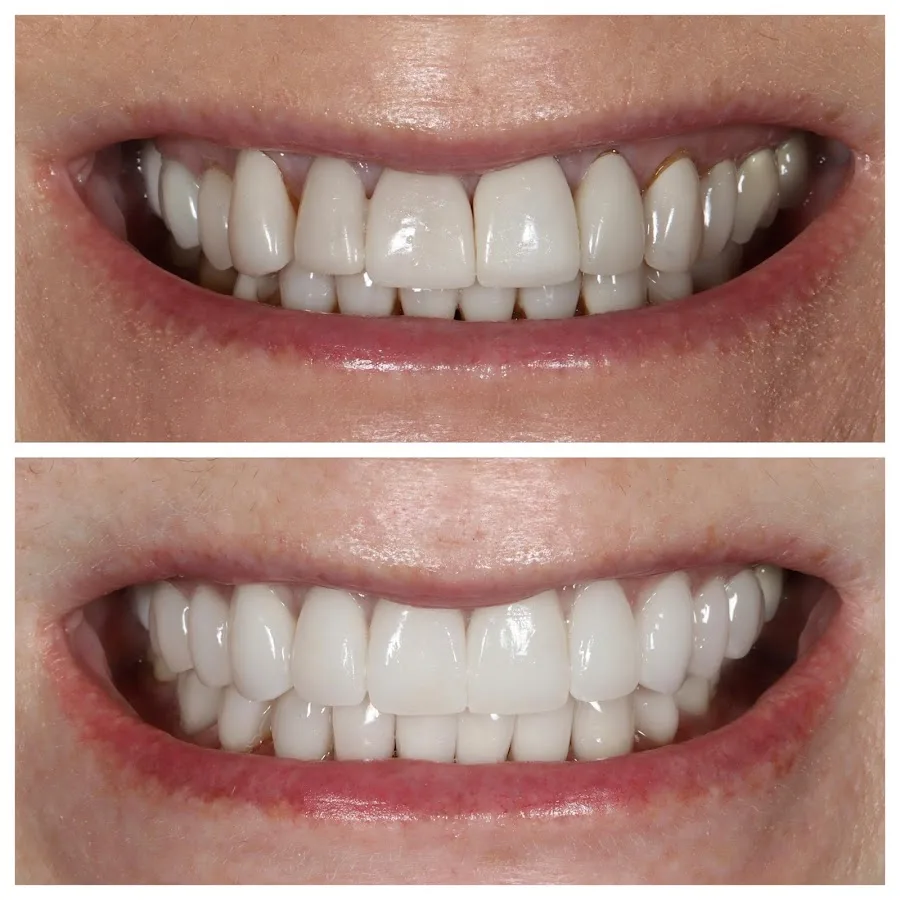
Veneers and Bonding: What Patients Should Expect
Veneers are improve tooth shape, color, and symmetry, but successful outcomes depend on preparation choices and adhesive technique. In many cosmetic practices, clinicians work to match translucency and contour so the smile looks balanced from different angles. For some cases, direct composite approaches may be considered when the goal is conservative enhancement and precise shaping in a more immediate format.
Patients should ask about material options, longevity expectations, and what maintenance looks like. Because bonding outcomes depend on oral hygiene and bite forces, the team typically reviews home-care habits and may discuss night guards when clenching or grinding is suspected.
Invisalign-Style Orthodontics and Why Timing Matters
When misalignment contributes to crowding, spacing, or bite discrepancies, orthodontics may be used to create a more stable foundation for cosmetic work. A practical way to think about sequencing is this: if tooth position is changing, a cosmetic restoration plan often needs to account for that movement. Patients may therefore see a plan that includes an orthodontic phase first, followed by esthetic finishing steps once alignment is stable.
For education on aligner planning, the ADA’s patient resources emphasize that orthodontic treatment should be individualized, with careful assessment and follow-up. Patients are encouraged to ask how the plan will be monitored and what milestones indicate readiness for the next phase.
Implants and Implant-Supported Smiles: A Visitor’s Checklist
For patients missing teeth or needing a replacement option, implant-supported restorations can be a long-term pathway. The practical visitor checklist is to ask how the clinic evaluates bone and gum conditions, what imaging is used, and what the timeline typically looks like from consultation through restoration. Many clinics also explain how they approach comfort and anxiety, including whether sedation options are available.
Patients should also confirm financing expectations. In New York, dental implant and restorative care may involve multiple steps, so it helps to request a written treatment breakdown and discuss payment options early.
Cost, Financing, and Questions to Ask at the First Visit
Pricing can vary based on case complexity, materials, and whether orthodontic or implant phases are included. During the initial consultation, patients can request an estimate range and learn what factors move the cost up or down. Common questions include:
- Which parts of the plan are optional versus essential for stability and longevity?
- What is the recommended timeline, and how many visits should be expected?
- Are there financing options available, and how does insurance typically factor in?
- What maintenance or follow-up schedule supports the long-term outcome?
For patients affordability, confirming insurance acceptance and discussing payment plans during the consultation reduce uncertainty. It is also reasonable to ask what outcome measures the team uses to evaluate success.
Bottom Line: A Visitor Guide for a Clear, Step-by-Step Cosmetic Plan
A strong first visit is not just about choosing a procedure; it is about building a sequence that respects anatomy, alignment, and durability. By coming prepared with questions and by asking how Invisalign-style orthodontics, veneers or bonding, and implant-supported options fit together, patients can better understand what a realistic smile makeover looks like. The New York Center for Cosmetic Dentistry’s visitor experience is built around structured evaluation, candidacy discussions, and practical next steps for patients in Manhattan.
References for patient education: ADA patient resources on orthodontics and general dental care; clinical guidance articles in journals such as the Journal of the American Dental Association (JADA) regarding treatment planning principles.