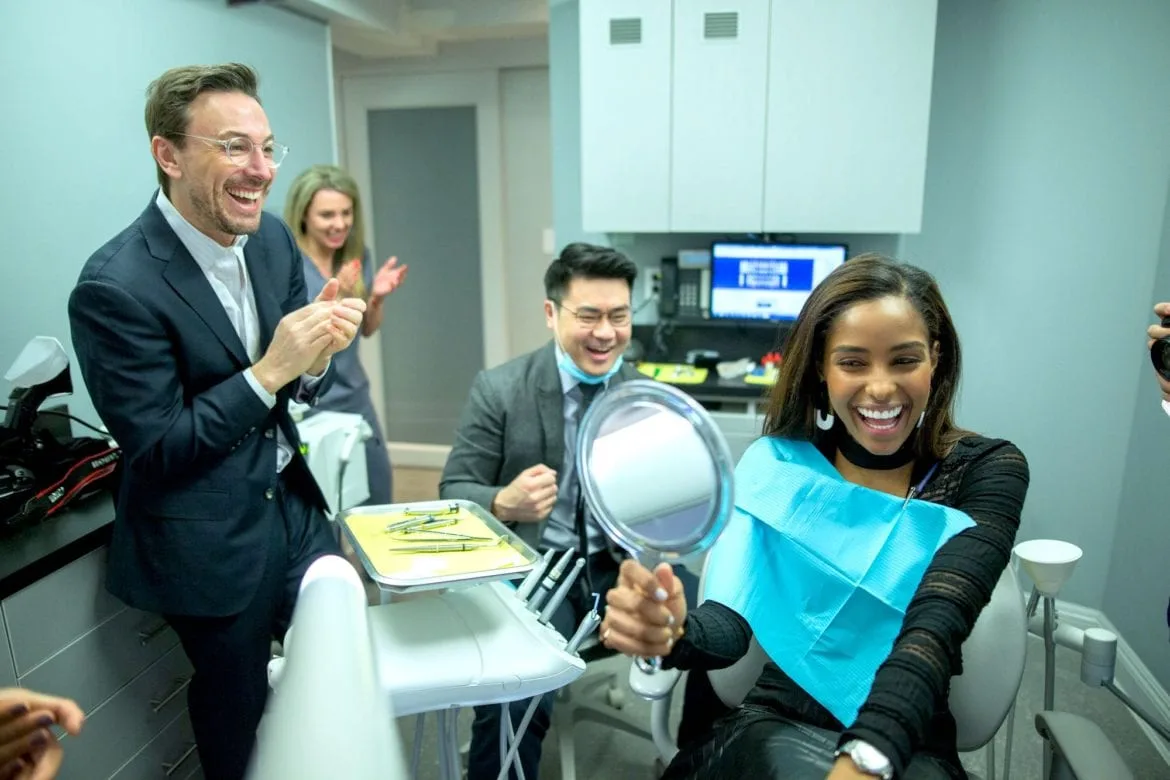
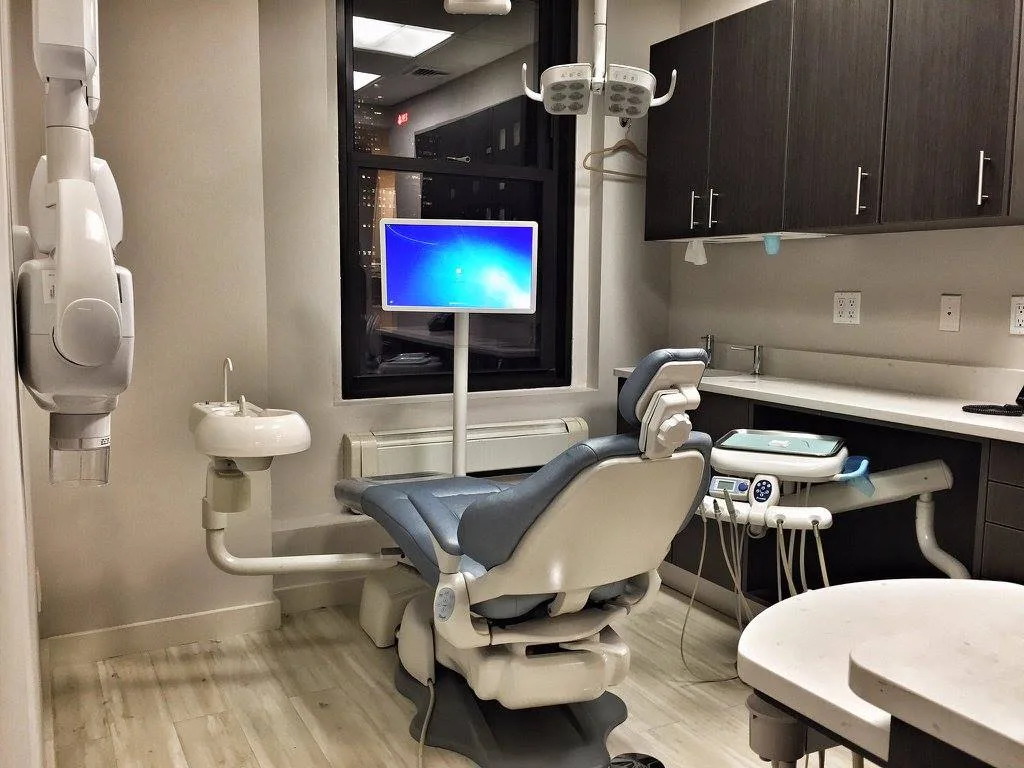
Why people schedule a visit at The Smile Code
The Smile Code (New York, NY) cosmetic dentistry and orthodontic-style aligners, including Invisalign. Patients commonly come for help with misalignment, cosmetic concerns, and the need to coordinate orthodontic changes with restorative treatments such as crowns. A good first visit turns general interest into an actual treatment plan based on tooth condition, bite considerations, and aesthetic goals.

What happens during the consultation
Most visitor guides start with logistics, but the consultation structure matters more. At The Smile Code, the initial visit typically includes a clinical exam and a discussion of goals—what you want to change aesthetically and what functional issues you want evaluated (comfort while biting, appearance of spacing, and overall smile harmony). For many patients seeking Invisalign-style treatment, the team also looks at whether aligners are appropriate for the specific alignment and bite picture.
If restorative work is part of the conversation—such as crowns to refine shape, size, or coverage—the team usually considers how those changes interact with tooth alignment and long-term stability. The goal is not a one-size recommendation, but a plan that fits both the smile design and the underlying health of the teeth.
Digital planning and smile design: how patients are evaluated
Cosmetic outcomes are usually tied to careful planning. The Smile Code is known for using digital smile design concepts, which help align clinical findings with aesthetic preferences. Digital planning commonly supports decisions like which teeth are involved, how the final smile should look from different angles, and how to coordinate orthodontic movement with restorative finishing.
During the visit, patients can expect the provider to explain what the planning shows, including any limitations—such as cases where additional treatment may be needed before or after aligners. This is also the time to ask how the final look is measured and how timelines are estimated.
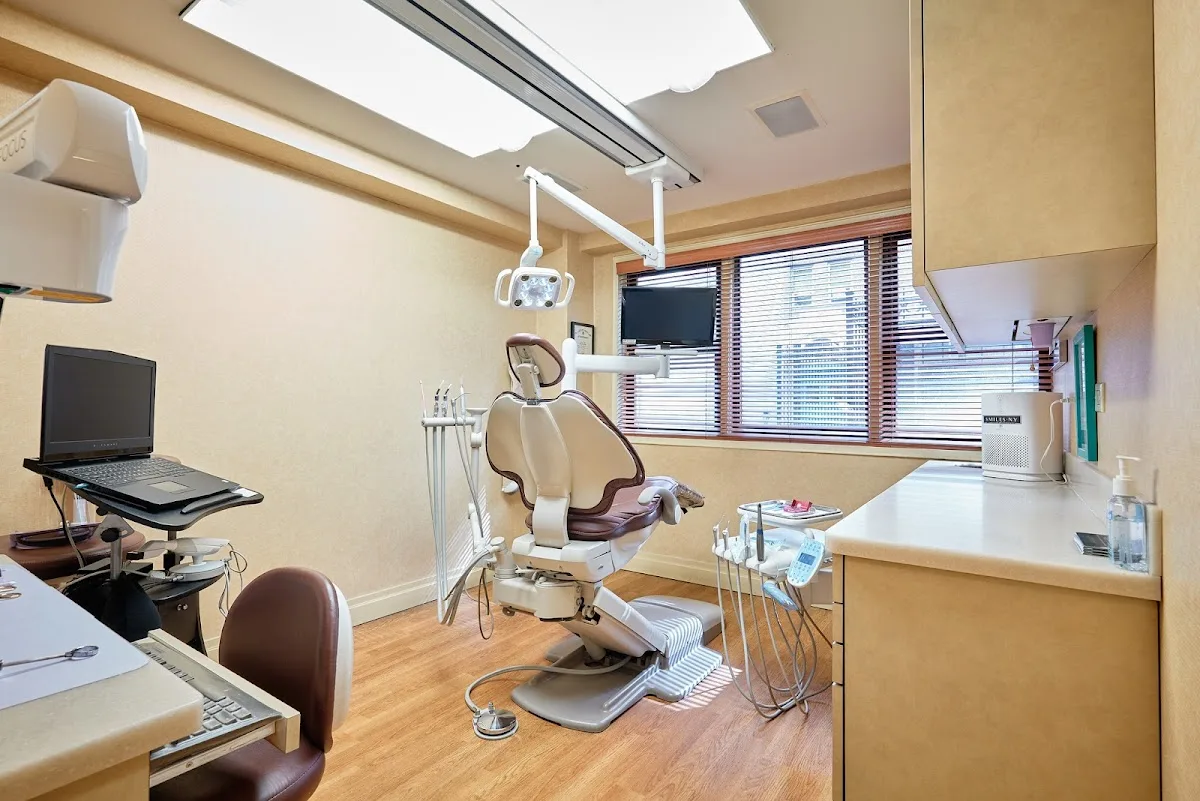
Common treatment pathways: Invisalign and restorative refinement
Invisalign is often chosen for cosmetic alignment improvements, but the best pathway depends on the patient’s bite and tooth conditions. Some visitors start with aligner evaluation, while others may require additional restorative care to fully achieve the desired shape, coverage, or symmetry.
- Invisalign-focused visits: When spacing, crowding, or edge-to-edge concerns are the main issues, aligners may be recommended to guide gradual tooth movement.
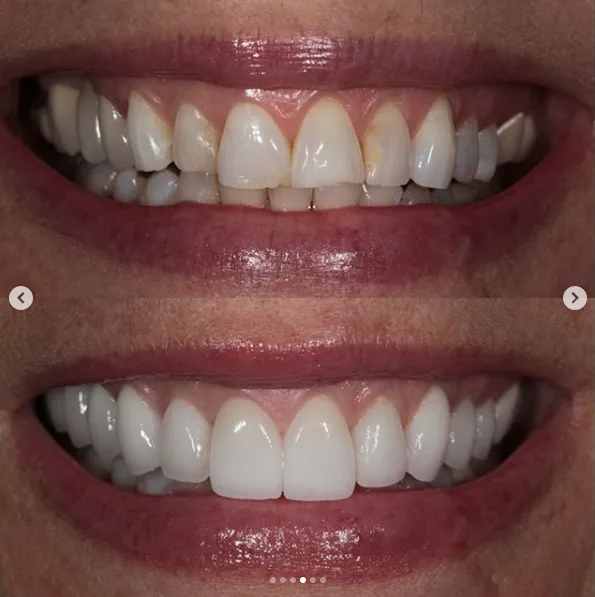
- Smile makeover pathway: When aesthetics require more than alignment alone, restorative treatments like crowns can be used to refine contours and address chipped, worn, or cosmetically mismatched teeth.
- Coordinated planning: In many smile makeover cases, the sequence matters—whether alignment is used first, whether restorative work is staged, and how final aesthetics are targeted.
Who may be a candidate (and when additional evaluation is needed)
Invisalign-style care may be a strong option for many adults, but candidacy depends on more than wanting a straighter-looking smile. Patients are commonly evaluated for:
- Tooth alignment and spacing goals
- Bite relationships (including overjet/overbite and how teeth meet)
- Tooth health and gum health for predictable treatment
- Whether restorative work is needed for function and aesthetics
Even if aligners are not the only solution, a consultation can still be valuable because it clarifies what can be achieved, what may require additional care, and what results are realistic for your specific anatomy.
Cost expectations and financing options
Costs vary based on the final scope of treatment, including whether Invisalign alone is recommended or whether restorative work (such as crowns) is added. The most accurate pricing is usually provided after the consultation and treatment planning are finalized.
For self-pay patients, financing can make planning more manageable. The Smile Code offers financing options, and many patients also inquire about programs commonly used in U.S. dental offices, including CareCredit and Cherry financing partners. Before your visit, it to ask:
- What the estimated range is for the proposed plan
- Whether treatment is staged
- What insurance coverage applies (if any) and what is considered out-of-pocket
- Which financing options are available for the final recommended plan
Recovery and timeline: what visitors should plan for
Timelines depend on the final treatment pathway. For aligners, patients typically wear aligners for set periods and follow a planned progression. Some discomfort can occur when moving to a new set, but the team can explain what to expect and how to manage typical sensitivity during the adjustment period.
For restorative components such as crowns, the visit sequence may include preparation appointments and fitting processes. Recovery expectations depend on the tooth’s starting condition and the planned restorative timeline.
For any smile makeover plan, it is useful to discuss maintenance: how often follow-up visits are scheduled and what habits help protect both the orthodontic result and the long-term health of the teeth.
Quick checklist before you go
- Bring a list of current medications and any prior dental records you have
- Write down the top aesthetic goals (spacing, shape, color, or smile line)
- Ask whether Invisalign alone is enough or whether a coordinated plan with crowns is recommended
- Confirm estimated cost range and ask about financing options
Visitor takeaway
A consultation at The Smile Code is turn questions into a clear plan—whether that plan begins with Invisalign-style alignment, includes restorative refinement like crowns, or combines both for a complete smile makeover. For visitors, the best outcome comes from asking practical questions about candidacy, sequencing, and financing so the recommended pathway matches both aesthetic priorities and real-world constraints.
Clinical background note: For general information on orthodontic aligners and the role of treatment planning, dental organizations such as the ADA and patient education resources from professional associations provide overview guidance. For example, the American Dental Association discusses orthodontics basics and the importance of evaluation before treatment decisions.